Investigating Effective Makeup Strategies for Constant Appeal
The pursuit of consistent aesthetic appeal through makeup presents a recurring challenge. Individuals frequently seek methods to maintain a polished appearance across various situations, yet navigating the array of advice and techniques can prove complex. The central question revolves around identifying which makeup practices genuinely contribute to a sustained, appealing look, and which are either misconceptions or less effective strategies.
This investigation examines common assertions and professional recommendations regarding makeup application. It seeks to separate foundational principles from fleeting trends, focusing on techniques reported to deliver reliable results. The objective is to provide a structured understanding of how specific makeup actions influence the final outcome, allowing individuals to make informed decisions about their beauty routines.
We analyze claims from various sources, including beauty publications and experts, to determine the underlying rationale for each tip. The examination will cover preparation, application, and finishing techniques, assessing their reported impact on appearance and longevity. Our aim is to demystify makeup practices and highlight those with verifiable benefits, fostering a more informed approach to personal grooming.
Establishing Foundational Makeup Principles
An investigation into makeup efficacy must commence with the foundational steps and considerations that influence overall results. The source material presents several initial areas for inquiry, starting with the contextual application of makeup.
Contextual Application: Day Versus Night
The distinction between day and night makeup is consistently emphasized. For daytime events, the objective is a straightforward, luminous look achieved with lighter colors. This approach suggests a preference for subtlety and natural enhancement during daylight hours, aligning with observations of professional settings and casual environments. Conversely, evening applications call for darker tones, particularly around the eyes and on the face, complemented by vibrant lip colors. This contrast suggests that ambient lighting and social expectations dictate a more dramatic presentation after sundown. Zamarripa (2026) supports the daytime approach, while OK Diario (2026) validates the nighttime recommendations.
The Significance of Application Tools
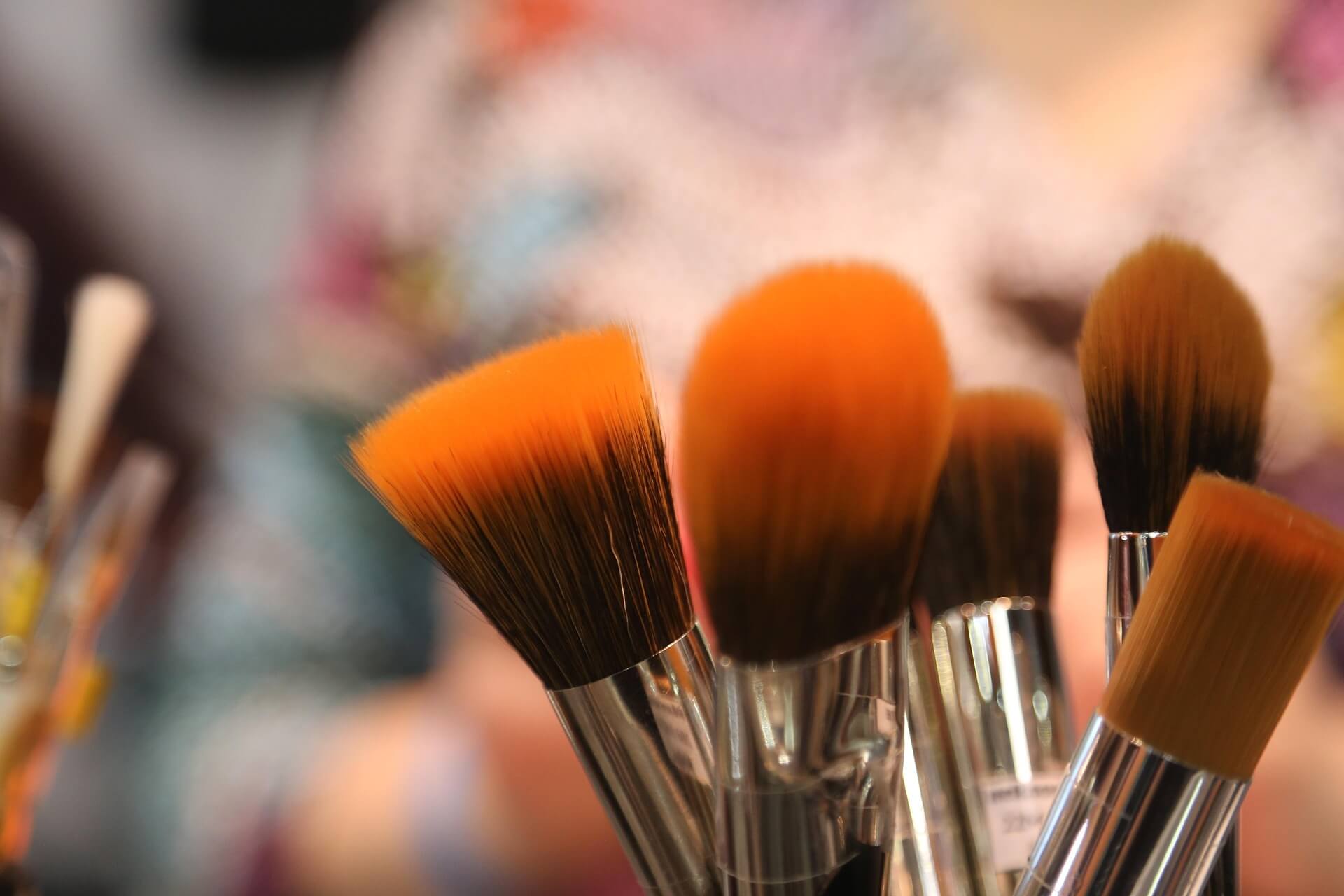
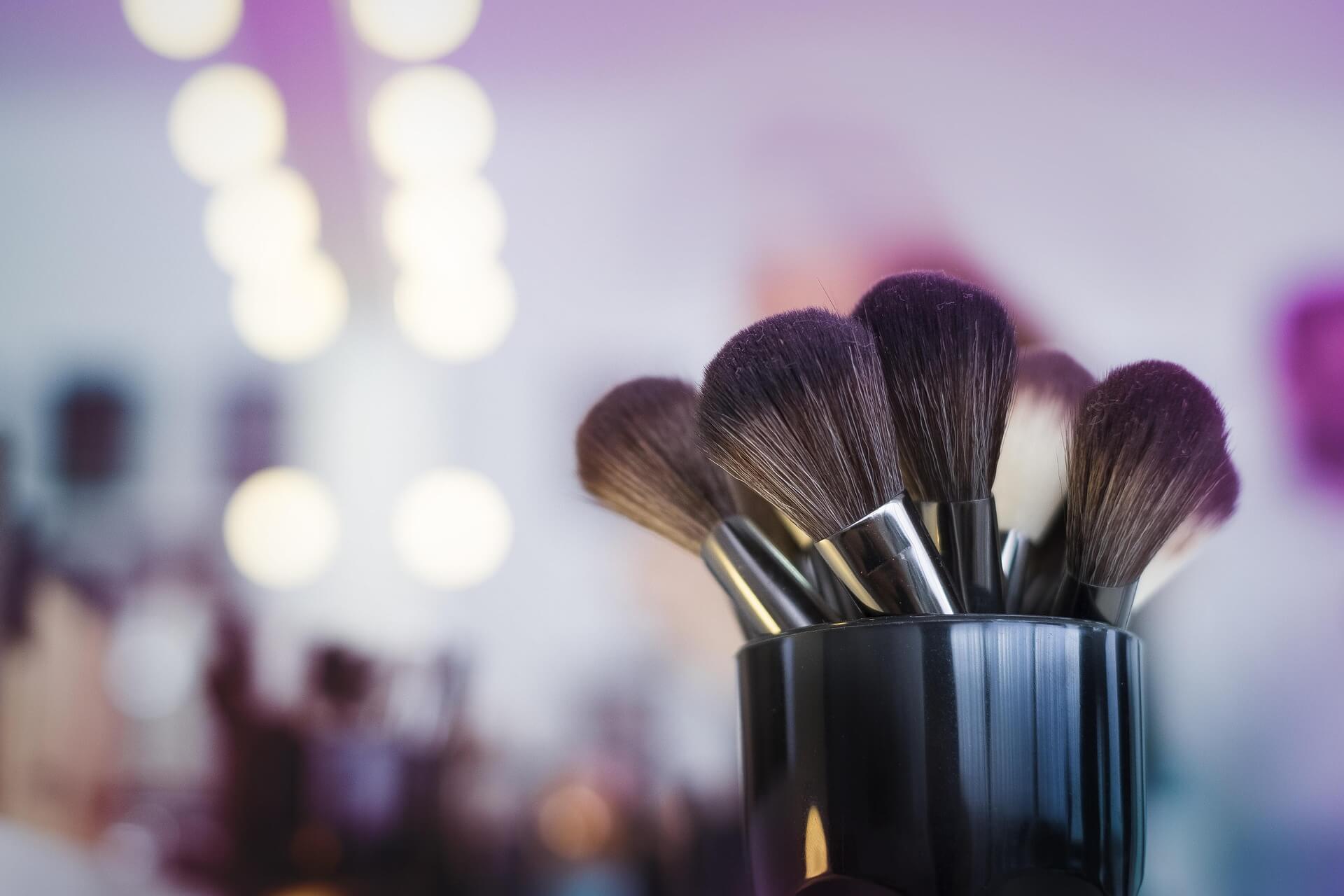
Beyond the makeup products themselves, the tools used for application are cited as critical components. The quality and type of brushes and applicators are reported to directly influence the final aesthetic. Revista Mía (2026) highlights the importance of tool quality, indicating that proper instruments are not merely accessories but essential determinants of successful makeup application. This suggests that investment in appropriate tools could be as crucial as selecting quality cosmetics.
Pre-Application Skincare Protocols
Before any makeup is applied, skin preparation is presented as an indispensable step. Thorough cleansing of the face is described as fundamental. Furthermore, regular exfoliation, performed once or twice weekly, is reported to enhance results. The recommendation specifies using mild ingredients to prevent skin irritation. Biutest (2026) reinforces these steps, suggesting that the canvas itself requires careful attention to achieve optimal makeup adherence and appearance. Proper hydration is also crucial. Selecting a moisturizer compatible with one's skin type is reported to significantly improve makeup finish, a claim supported by Biutest (2021b).
Strategic Application Techniques Under Scrutiny
Once foundational steps are addressed, specific application techniques come into focus. These methods aim to optimize visual impact, longevity, and overall harmony.
Selecting Appropriate Tones
The choice of makeup tones, particularly foundation, is identified as a primary element. Matching the foundation to one's skin tone is considered essential. Additionally, eye and hair color are factors that should influence color selection, according to Hola (2026). This indicates that a holistic approach to color matching, extending beyond just skin tone, contributes to a cohesive appearance.
Establishing a Focal Point
To prevent a "heavy" or "overdone" appearance, the strategy of creating a single focal point is advised. This means either emphasizing the lips or the eyes, but not both simultaneously. Clarín (2026) advocates for this principle, suggesting that a balanced look emerges from deliberate choice, directing attention rather than scattering it across multiple prominent features.
Eyeliner Longevity Techniques
For eyeliner, a method involving eyeshadow is proposed to extend wear time. The process involves an initial layer of pencil eyeliner applied close to the lash line on the upper eyelid. A matching eyeshadow is then applied over this pencil line. For a more defined effect, a waterproof liquid eyeliner can be layered over the shadow. Clarín (2018b) details this layered approach, indicating a practical strategy for enhancing durability and intensity.
Lipstick Application Methods
Several techniques address lipstick application to ensure precision and prevent excess. One method involves placing a cotton swab or bud in the mouth so that its ends rest at the corners of the lips. The cotton then acts as a barrier, preventing excessive lipstick application. Velasco (2026) attributes this technique to preventing over-application.
Another technique, described as a traditional method, involves pressing the lips onto a tissue or folded piece of paper. This action absorbs excess lipstick, preventing smudging and improving wear. Alternatively, one can lightly blot the lips with the paper. Velasco (2021b) cites this "kissing paper" method as effective for managing lipstick excess.
Securing Makeup for Extended Wear
To ensure makeup longevity, setting it with powder is presented as a fundamental step. Applying a small amount of powder with a brush helps to "seal" the makeup. Velasco (2021c) emphasizes this step, highlighting its role in extending the wear of applied products.
Eyebrow Shaping According to Face Structure
Eyebrow design is not a one-size-fits-all approach. The shape of the face dictates the ideal eyebrow design. Different face shapes, such as long, oval, square, or round, require distinct eyebrow contours. El Universal (2026) provides guidance on this, indicating that harmonizing eyebrows with facial structure is a key component of a balanced look.
Strategic Application Order: Eyes First
A specific application order is recommended: applying eye makeup before the rest of the face. This strategy allows for easier correction of mistakes, such as smudges or fallout from eyeshadow, before foundation and other base layers are applied. Montes (s.f.) supports this sequence, noting that correcting errors is simpler when the base is not yet in place.
Aggregating Expert Insights and Practices
The investigation reveals a consistent message from various sources: a successful makeup application is not coincidental but results from a series of deliberate choices and techniques. From preparation to the final touches, each step contributes to the overall effect.
Synthesis of Core Recommendations
- Occasion-Specific Makeup: Adjusting makeup intensity and style based on whether the event is day or night is a recurring theme. Light, natural looks for daytime and more pronounced, darker tones for evening are standard recommendations.
- Tool Quality: The quality and type of application tools directly influence the finish. Investing in appropriate brushes and applicators is considered a worthwhile endeavor.
- Skin Preparation: Thorough cleansing, regular exfoliation, and proper moisturization form the bedrock of any successful makeup application. These steps ensure a smooth, healthy base.
- Color Matching: Selecting foundation and other colors that harmonize with skin tone, eye color, and hair color is critical for a natural appearance.
- Focal Point Strategy: Emphasizing either the eyes or the lips, but not both, helps create a balanced and sophisticated look, avoiding an "overdone" effect.
- Longevity Techniques: Layering eyeliner with shadow and setting makeup with powder are reported methods for extending wear.
- Precision in Application: Techniques for lipstick application, such as using a cotton swab or blotting with paper, aim to achieve clean lines and manage product excess.
- Structural Harmony: Shaping eyebrows to complement the individual's face shape contributes to overall facial balance.
- Strategic Order: Applying eye makeup before face makeup allows for easier correction of mistakes.
Unpacking the Underlying Assumptions
The collective advice operates on several assumptions about makeup's role and application. One primary assumption is that makeup functions as an enhancement tool, not a transformative one. The emphasis on natural tones, singular focal points, and skin preparation points to a desire to refine existing features rather than dramatically alter them.
Another assumption concerns the wearer's environment and social context. The clear distinction between day and night makeup underscores that external factors dictate appropriate styles. This implies that makeup is a form of social communication, adapting to varying levels of formality and visibility.
Furthermore, the advice implicitly assumes a degree of skill and practice. While the tips are practical, their effective execution requires familiarity with techniques and a certain level of manual dexterity. The concept of "mistakes" and "corrections" suggests that initial attempts may not always be perfect, necessitating a learning curve.
The recurrent advice to use "quality" tools and "appropriate" products implies that not all products are created equal. This suggests that selection of materials plays a role equal to, if not greater than, the application technique itself. The source does not specify brand names, but the emphasis on quality is consistent.
Key Findings from the Investigation
- Makeup application adapts significantly based on the time of day, requiring distinct approaches for day (light, luminous) and night (darker, dramatic) events.
- High-quality and appropriate application tools, such as brushes, are fundamental to achieving desired makeup outcomes, influencing finish and precision.
- Pre-application skincare, including thorough cleansing, regular exfoliation, and targeted moisturization, directly impacts makeup adhesion and appearance.
- Matching makeup tones, particularly foundation, to one's skin, eye, and hair color is a critical factor for a cohesive and natural look.
- Creating a single focal point, either on the eyes or lips, prevents an "overdone" aesthetic and contributes to overall facial harmony.
- Layering techniques, such as applying eyeshadow over pencil eyeliner, enhance the longevity and intensity of eye makeup.
- Practical techniques, like using a cotton swab to control lipstick application or blotting with paper, promote precision and remove excess product.
- Setting makeup with powder is a consistent recommendation for extending its wear and preventing transfer throughout the day.
- Tailoring eyebrow design to specific face shapes is identified as a crucial element for balancing facial features.
- Applying eye makeup before face makeup simplifies error correction, ensuring a cleaner base application.
Frequently Asked Questions About Makeup Techniques
Q: What is the primary difference between day and night makeup?
For daytime, the objective is a straightforward, luminous look with lighter colors, often prioritizing natural enhancement. For night, the recommendation shifts to darker tones for eyes and face, paired with vibrant lip colors, allowing for a more dramatic presentation.
Q: Are specialized makeup tools truly necessary, or can I manage with my fingers?
The source indicates that the quality and characteristics of tools like brushes and applicators significantly influence the makeup's final result. While fingers can apply some products, appropriate tools are reported to provide precision and an even finish that fingers might not achieve.
Q: How important is skin preparation before applying makeup?
Skin preparation is presented as an indispensable step. This includes thoroughly cleansing the face, exfoliating one to two times weekly, and applying a moisturizer suited to your skin type. These actions ensure a smooth base, improving makeup application and appearance.
Q: Should I always choose makeup tones that exactly match my skin?
While matching foundation to your skin tone is essential, the advice extends to considering your eye and hair color when selecting other makeup products. This holistic approach helps to create a more harmonious and natural overall appearance.
Q: How can I prevent my makeup from looking "too much"?
To avoid an "overdone" appearance, the strategy is to create a single focal point. This means emphasizing either your lips or your eyes, but not both simultaneously. This directs attention without overwhelming your features.
Q: What is the recommended method for making eyeliner last longer?
To enhance eyeliner longevity, an initial layer of pencil eyeliner should be applied close to the lash line. Then, a matching eyeshadow is applied over the pencil. For greater definition and durability, a waterproof liquid eyeliner can be added as a final layer.
Q: Is there a trick to prevent applying too much lipstick or having it smudge?
Two methods are suggested. One involves placing a cotton swab in your mouth, with ends at the corners of your lips, to act as a barrier against excessive application. Another traditional trick is to blot your lips onto a tissue or folded paper to absorb excess product.
Q: Why is setting makeup with powder considered important?
Setting makeup with powder is fundamental for extending its wear. Applying a small amount of powder with a brush helps to "seal" the makeup, contributing to its longevity and preventing it from smudging or fading throughout the day.
Q: How does face shape influence eyebrow design?
Your face shape should determine your eyebrow design. Different face shapes, such as long, oval, square, or round, require distinct eyebrow contours to complement and balance your features effectively. A universal eyebrow shape does not suit every face.


